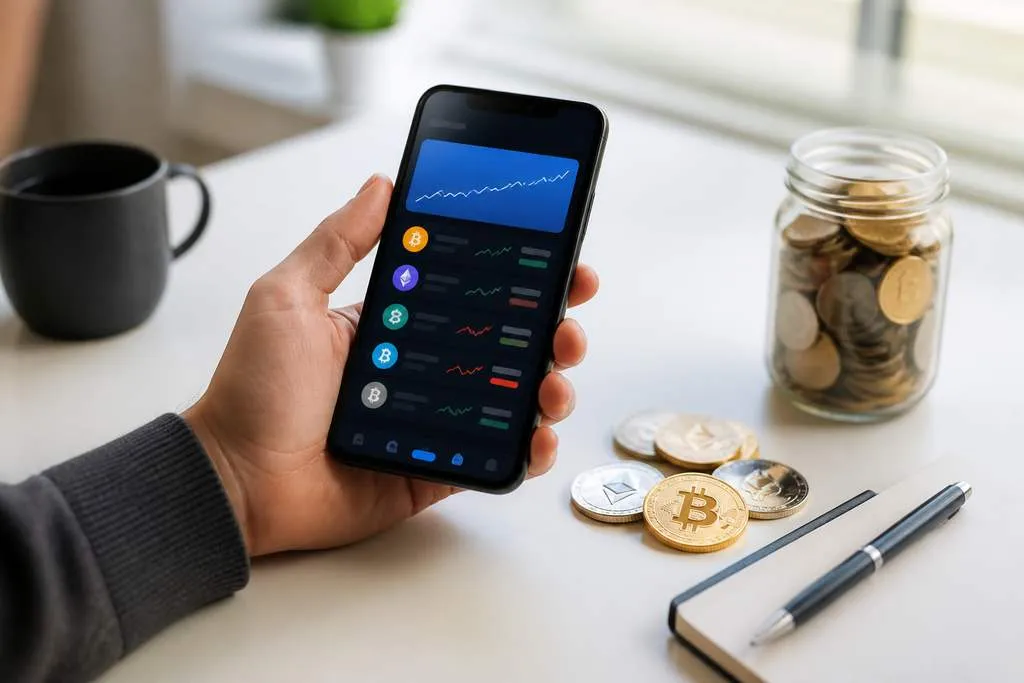
Yes. Texans can buy cryptocurrency through major centralized exchanges, broker-style apps, Bitcoin ATMs, and peer-to-peer marketplaces. The real issue is not access. It is which route fits the job: lowest cost, fastest funding, strongest self-custody path, or the least friction for a first purchase.
Those choices do not behave the same way. A bank transfer into a large exchange may be cheap but slow to clear for withdrawals. A card purchase is fast but usually carries a spread or processing cost that shows up in the final price. An ATM can work in minutes, though convenience often comes with a much worse rate. For anyone in Texas, the useful comparison is practical rather than theoretical.
Can I buy crypto in Texas on mainstream platforms
Yes, and for most people that is the default route. Large U.S.-facing exchanges and broker apps generally allow Texas residents to open accounts, complete identity checks, link a bank account or debit card, and buy supported assets. The account setup tends to look familiar: personal details, ID verification, sometimes a selfie check, then payment setup.
Where the platforms start to separate is after the first buy. Some are built around simple market purchases and a clean mobile interface. Others offer advanced order types, recurring buys, deeper asset selection, or easier transfers to an external wallet. If the plan includes moving coins off-platform, that withdrawal step matters just as much as the buy button.
How the main Texas crypto buying options compare
The table below shows the tradeoff that matters most: convenience usually rises as price efficiency falls.
| Option | Best for | Main tradeoff |
|---|---|---|
| Centralized exchange | Lower-cost spot buys | ID checks and transfer holds |
| Broker app | Simple first purchase | Less control over pricing tools |
| Debit card purchase | Fast funding | Higher total cost |
| Bitcoin ATM | Cash access and speed | Wide spreads and extra fees |
| Peer-to-peer marketplace | Flexible payment methods | Counterparty and scam risk |
A centralized exchange is usually the strongest all-around choice when cost matters. Prices are generally closer to the market, and there is often a clearer breakdown between trading fee, spread, and withdrawal fee. The downside is paperwork and patience. Identity verification is standard, and newly deposited funds can face a waiting period before they can be withdrawn as crypto.
Broker apps remove some of that friction. They often feel easier because the screen is simplified and the app already handles stocks, cash transfers, or payments. That ease can come with fewer order controls and a less transparent execution price. For a small first buy, many people accept that trade. For repeated purchases, the gap becomes harder to ignore.
Payment method changes the real cost more than many buyers expect
The same platform can be cheap or expensive depending on how money gets in. Bank transfer purchases are usually the most efficient path because card networks and instant-payment rails add costs that someone has to absorb. A debit card buy feels immediate, but speed is being purchased.
Card transactions can also trigger extra scrutiny from banks. Some banks allow them, some decline them, and some treat them inconsistently depending on the merchant category. That is one reason experienced buyers often fund an exchange account by bank transfer and then place the trade inside the platform instead of buying directly with a card.
People searching market coverage often end up in the same place: the question can i buy crypto in texas is really about which payment rail clears, what the spread looks like, and how soon the coins can leave the platform.
Cash sits in its own category. A Bitcoin ATM may accept it quickly, and that can be the whole appeal. But the convenience charge is real. The machine operator may embed a large spread into the quoted price, then add a visible fee on top. If the goal is simply acquiring crypto at a sensible cost, ATMs rarely win.
Texas buyers should separate access, custody, and withdrawal rules
Buying is one step. Controlling the asset is another. Some apps make purchases easy but are awkward when it is time to send coins to a private wallet. Others support withdrawals cleanly, though each asset can have its own network choices and fee structure. Sending stablecoins on the wrong chain, or choosing an expensive network by accident, turns a simple buy into an avoidable loss.
This is where the difference between holding on an exchange and holding in self-custody becomes concrete. If the asset is meant for long-term holding, many buyers prefer to move it into a wallet they control after the purchase settles. If the amount is small and likely to be sold soon, keeping it on a reputable exchange can be a reasonable convenience choice. The point is to check withdrawal support before buying, not after.
Minimums matter too. Some services let users start with a very small amount. Others make small withdrawals uneconomical because fixed network fees consume too much of the balance. A low minimum buy is not always a low-friction ownership path.
Peer-to-peer and ATM purchases solve different problems
Peer-to-peer marketplaces attract people who want flexible payment methods or more direct trading. Sometimes that means bank transfer between individuals. Sometimes it means payment methods a large exchange would never support. The flexibility is real, and so is the risk. A fake payment confirmation, a reversed transfer, or pressure to move the conversation off-platform are all common failure points.
That does not make peer-to-peer markets unusable. It means their safety depends heavily on escrow rules, platform reputation, and disciplined behavior from the buyer. For someone who already understands wallets and settlement risk, P2P can fill a gap. For a newcomer, it is usually the wrong first stop.
ATMs solve a narrower problem: immediate access, often with cash. They are useful when banking access is limited or when speed matters more than pricing. They are poor tools for routine accumulation. A person buying weekly or monthly will usually save meaningful money by switching from ATM purchases to exchange funding through a bank account.
The practical choice depends on the first three purchases, not the first one
That is where the comparison becomes honest. A one-time test buy can justify a broker app or even a card purchase because the total friction stays low. Repeated buying changes the math. Costs compound, and so do annoying limits. An app that seemed fine for a $50 experiment may feel clumsy once recurring purchases, wallet transfers, tax records, and network selection enter the picture.
For most Texas residents, the strongest path is plain: open an account with a well-known exchange or broker that supports Texas customers, verify identity, fund it by bank transfer, make the purchase, and confirm whether external wallet withdrawals are available before building a position. Use a debit card only when timing matters. Use an ATM only when cash access matters. Leave peer-to-peer for cases where standard rails do not solve the problem.
Start by checking one boring detail first: whether the platform lets the exact coin be withdrawn on the exact network intended. That single line on the deposit and withdrawal page decides whether the cheap buy stays cheap.