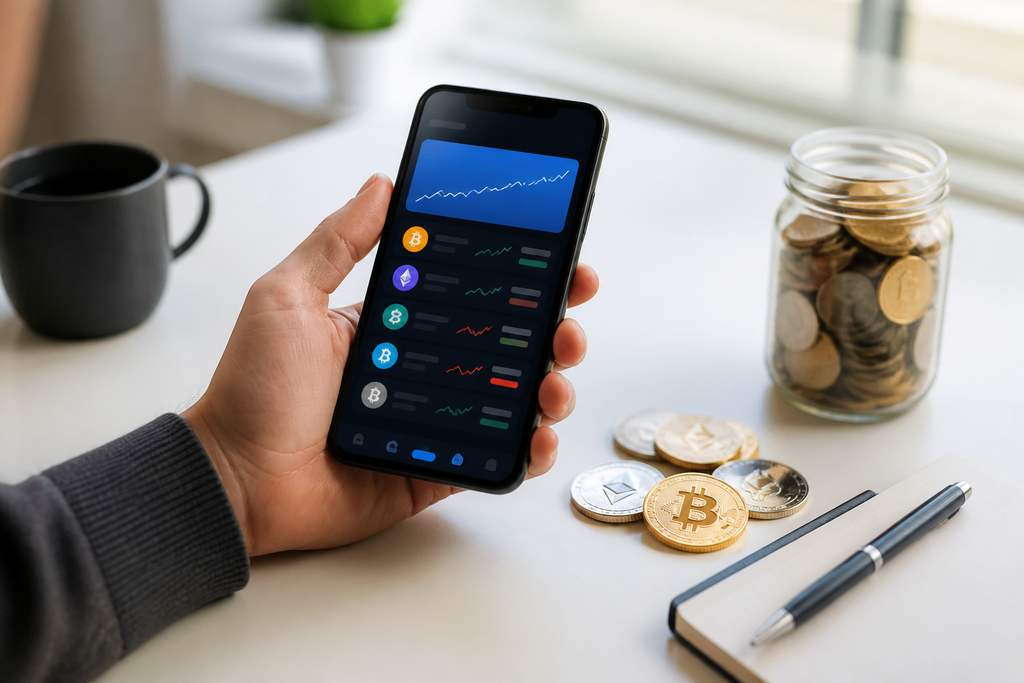
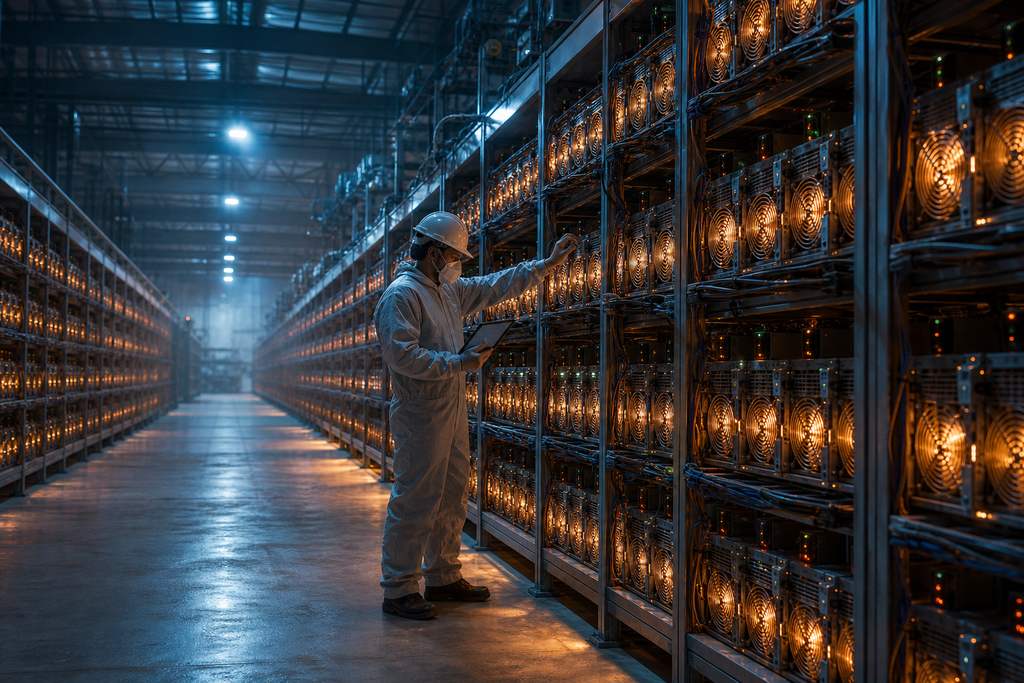
Crypto markets are often described as always open, but that simple claim hides several moving parts. A trading app may accept an order at any hour, the blockchain itself may keep producing blocks through weekends and holidays, and the price feed may update every second. Yet the full path from local currency to settled crypto depends on more than the chain. Banks, card networks, payment processors, exchange risk systems, and wallet infrastructure all affect whether a purchase can actually be completed right away.
That is why the practical answer depends on which step is being discussed. Buying with pre-funded exchange cash is usually the closest thing to true 24/7 access. Buying with a debit card can work around the clock, but fraud checks or issuer declines can interrupt it. Funding by bank transfer is often the bottleneck, because rails for moving fiat do not all run continuously. Under the hood, the crypto side and the fiat side operate on different schedules, and exchanges bridge that gap with internal ledgers, liquidity management, and compliance controls.
Can you buy crypto 24 7 on an exchange in practice
On most major crypto exchanges, the order book for spot trading runs continuously. If an account already holds stablecoins, exchange cash balance, or the asset being sold, an order can usually match immediately against other users or against the exchange’s own liquidity sources. That part works because the exchange database and matching engine are online all the time, not because every external payment network is.
The distinction matters. A completed trade on an exchange often starts as an internal ledger update: one account balance goes down, another goes up, and the platform records the execution. The blockchain does not need to move for every trade. On-chain settlement becomes relevant when coins are deposited to the exchange, withdrawn to a private wallet, or moved between venues. As long as the exchange can safely credit accounts and manage inventory, buying can continue through nights, weekends, and public holidays.
Exchanges also run risk checks continuously. Automated systems screen accounts for suspicious behavior, unusual payment patterns, sanctions flags, and withdrawal risks. Those controls can pause a transaction even when markets are open. So the trading venue may be live 24/7 while a specific account action is not.
What the payment method changes under the hood
The easiest way to understand round-the-clock buying is to separate trading from funding. Trading is usually continuous; funding depends on the rail used to bring in fiat or the asset used as payment.
| Payment method | Typical availability | Main bottleneck |
|---|---|---|
| Pre-funded exchange balance | Usually continuous | Account restrictions |
| Debit or credit card | Often near-continuous | Issuer declines, fraud review |
| Bank transfer | Varies by rail | Bank processing schedule |
| Stablecoin deposit | Chain-dependent, often continuous | Network confirmations |
A pre-funded balance removes the fiat movement step, which is why it is the most reliable route for overnight trading. Card purchases can appear instant because the exchange receives an authorization signal before final settlement between financial institutions is complete. That convenience comes with higher fraud risk, so card buys are more likely to trigger extra checks or lower limits.
Bank transfers are slower because they rely on external settlement systems. Some domestic instant-payment networks operate at all hours, but support depends on country, bank, and exchange integration. Traditional bank wires may only process during business windows. That means an exchange can let a customer place an order at midnight, but if the funds are coming from a transfer that has not arrived, the trade may not execute until the deposit clears.
Why blockchains never close but settlement still takes time
Public blockchains do not keep office hours. Miners or validators continue to produce blocks according to the network’s consensus rules, and transactions can be broadcast at any time. That gives crypto its always-on settlement layer. Still, “always on” does not mean “always final immediately.” Confirmation time depends on the chain, current congestion, and the fee attached to the transaction.
Exchanges rarely treat a deposit as usable the moment it appears in a wallet address. They usually wait for a certain number of confirmations before crediting it, because a fresh transaction can still be reversed on some networks or replaced in limited circumstances before enough blocks build on top of it. The same caution applies to withdrawals. A withdrawal request may be submitted 24/7, but the exchange may batch transactions, apply security delays, or hold a withdrawal for review.
That is one reason market headlines about can you buy crypto 24 7 often miss the more useful question: which part of the process is live, and which part still depends on waiting for confirmations or fiat settlement.
How exchanges bridge the gap between fiat hours and crypto hours
When an exchange serves customers around the clock, it is managing an operational mismatch. Crypto trading and on-chain transfers can run continuously, but customer deposits, card settlements, and banking relationships may not. To keep the venue functioning, the exchange uses internal pools of liquidity and treasury management.
For example, if many customers buy bitcoin with cards late on a Sunday, the exchange may credit those purchases before it has fully settled with every card issuer. That creates temporary exposure for the platform. To handle it, exchanges maintain reserves, use payment processors with risk scoring, set transaction limits, and sometimes apply a spread that compensates for chargeback risk and volatility.
They also separate hot and cold wallet operations. Hot wallets hold enough crypto for ordinary deposits and withdrawals, while cold storage keeps larger reserves offline for security. Rebalancing between them can involve manual controls. As a result, an exchange can look continuously open from the front end while some back-end movements happen in controlled cycles.
Why a 24 7 market can still reject or delay a purchase
Continuous market access does not guarantee continuous execution for every user. One common reason is compliance review. Identity verification systems may be automated, but documents can fail matching checks, names can hit screening lists, or account behavior can trigger enhanced due diligence. If that happens, buying may stop until the review is cleared.
Another reason is payment risk. Card issuers may block crypto purchases as cash-like transactions. Banks may reverse or reject transfers that appear unusual. Even when the exchange itself is open, outside institutions can refuse to support that specific payment. Technical issues also matter: maintenance on a chain, congestion causing delayed confirmations, or temporary suspension of deposits and withdrawals for a token can interrupt the flow.
There is also a difference between market availability and price certainty. In a thin overnight market, a market order can execute across several price levels. The platform was open, but the final fill may be worse than expected. That is a liquidity issue rather than a timetable issue, and it matters most for less-traded assets.
The concrete takeaway before trying to buy at odd hours
The most reliable way to buy crypto outside normal banking hours is to separate funding from trading. Move funds onto a regulated platform in advance, or use an already-settled balance such as exchange cash or a supported stablecoin. Then use limit orders rather than market orders if liquidity looks thin. That setup avoids the weakest link, which is usually fiat movement rather than crypto trading itself.
If a purchase must happen immediately, check three things before pressing buy: whether the account is fully verified, whether the payment method is one the exchange can approve in real time, and whether withdrawals for that asset and network are currently enabled. Those checks matter more than the slogan that crypto trades all day. In practical terms, crypto is closest to 24/7 when the money is already in the system and the exchange does not need to wait on anyone else.