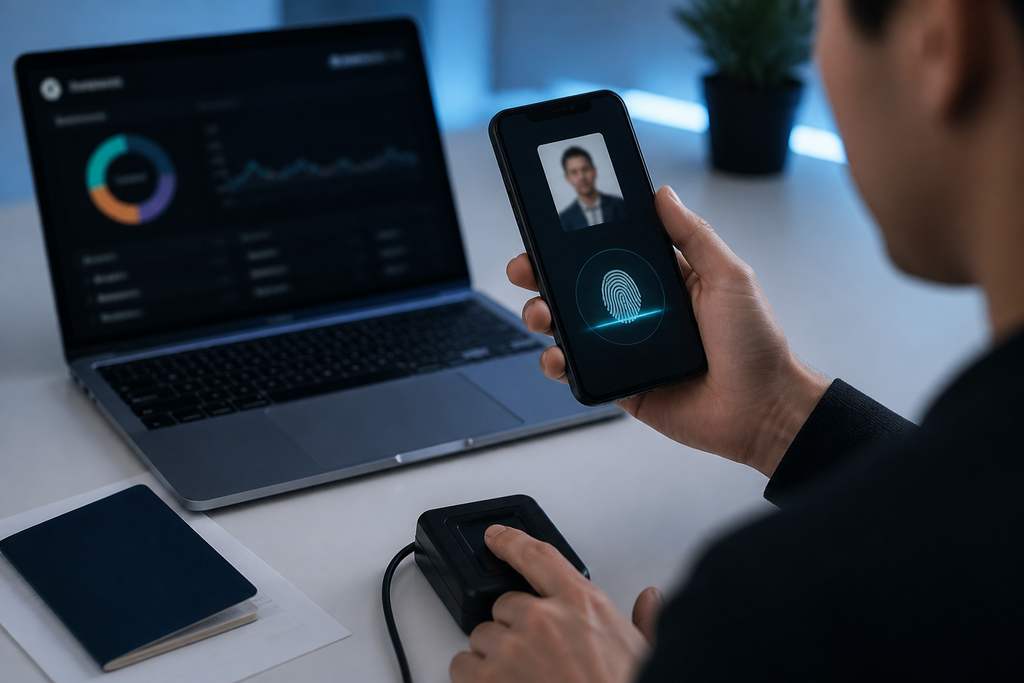
People often ask how can i buy crypto under 18 as if the answer were hidden in a loophole. In practice, the issue is less about secret access and more about age checks, custody, and who is legally responsible for the account. Most mainstream platforms are built for adults because they need a contract holder who can verify identity and accept the platform’s terms.
The biggest mistake is assuming that being under 18 automatically means crypto is off limits. It does not. What usually changes is the path: some options are blocked, some require a parent or guardian, and some are better treated as learning tools rather than real purchase routes. The details matter because a bad workaround can create account freezes, failed verification, or loss of access later.
How can i buy crypto under 18 without guessing at the rules
The first myth to drop is that every exchange follows the same age rule. They do not. Many large exchanges require users to be 18 or older because they need a legally binding account agreement and know-your-customer verification. If a platform says it is for adults only, trying to bypass that rule can lead to a locked account even if the purchase initially goes through.
A second myth is that age verification is only a formality. In reality, it is tied to banking rails, fraud controls, and local compliance duties. A platform may ask for a government ID, a selfie check, proof of address, or payment-method verification. Underage users often fail here not because crypto is technically unavailable, but because the platform is not designed to open a standalone account for them.
There is also a common belief that “decentralized” means no age restrictions apply. That confuses network access with on-ramp access. A blockchain does not care how old a wallet owner is, but the services used to convert cash into crypto often do. The place where the legal restriction appears is usually the exchange, broker, or payment processor, not the blockchain itself.
Why custody matters more than the first purchase
For younger buyers, the practical question is often who controls the wallet after the purchase. A custodial exchange account puts the platform in charge of the keys, while a self-custody wallet puts the user in charge. If the user is under 18, a parent-managed setup may be the only legally clean route for an actual purchase, but that also means the adult is the account holder and should understand the responsibilities.
That distinction matters because access can disappear in different ways. A custodial account can be restricted by the platform if the verification data does not match, while a self-custody wallet can still become unusable if the seed phrase is lost. For minors, the most dangerous myth is that crypto ownership is the same thing as wallet access. It is not. Ownership, control, and legal responsibility can belong to different people.
If the goal is education rather than trading, a wallet created for practice may be more useful than trying to force a purchase. Some users first learn how addresses work, how network fees behave, and why transaction finality matters before any money changes hands. That lowers the chance of making an irreversible mistake once a legal purchase becomes possible.
Readers who want a market-focused view of current exchange behavior and custody trends can also follow coverage such as how can i buy crypto under 18, which is useful because platform rules can change faster than people expect.
What parents and guardians actually need to approve
When a minor is involved, the real gatekeeper is often the adult, not the wallet software. A parent may open an account in their own name, link their own bank card, and supervise any purchase. That setup is very different from a child secretly using someone else’s identity, which is both risky and likely to violate the platform’s terms.
Good supervision is not just about saying yes or no. The adult should know whether the service is custodial or self-custodial, how withdrawals work, what fees apply, and whether the asset can be sent to an external address. If those details are unclear, the account may function until the first withdrawal attempt, when the real restrictions surface.
There is also a tax and record-keeping angle. If the adult is the account holder, transaction records belong to that adult’s financial profile. If the minor later receives assets as a gift, the origin of those assets should be documented clearly. Sloppy record-keeping creates avoidable confusion later, especially if the crypto is sold after the minor reaches adulthood.
| Route | Who controls it | Main limitation |
|---|---|---|
| Adult exchange account | Parent or guardian | Adult must own and verify it |
| Self-custody wallet | User holding seed phrase | No built-in purchase on-ramp |
| Peer transfer | Sender and receiver | Source of funds and trust matter |
| Paper or gift arrangement | Adult initially, user later | Needs careful documentation |
The myths around P2P trades, gift cards, and workarounds
People often claim that peer-to-peer trading is a simple answer for minors. It can be, but only in a limited sense. P2P trades still depend on the other party, and many platforms that match buyers and sellers enforce their own age and identity checks. In some cases, a P2P route is just a different entry point to the same verification wall.
Gift cards, cash swaps, and informal deals are often described as easy backdoors. They are not reliable purchase methods. They introduce counterparty risk, unclear pricing, and a higher chance of fraud. A minor who cannot recover a bad transfer or prove the terms of the deal is in a weak position if something goes wrong.
Another myth is that a VPN or fake details solve the problem. That may help a user reach a website, but it does not make an account valid. If the platform later asks for identity verification, the mismatch can block withdrawal, delay funds, or close the account entirely. The short-term convenience is usually outweighed by the long-term risk.
Safer ways to learn before a legal purchase
For many under-18 users, the best move is to learn the mechanics first and wait on a direct purchase. Watching how wallets generate addresses, how networks charge fees, and how confirmations work builds the habits that prevent mistakes later. Crypto is unforgiving when a payment is sent to the wrong network or an address is copied incorrectly.
Paper tracking can help too. A simple log of token names, network names, and wallet types is more valuable than memorizing hype-driven price talk. The goal is to understand what an asset actually is, where it lives, and what moves it from one address to another.
Education also reduces the chance of chasing the wrong product. Many new users think “crypto” means one asset, one app, or one market. In reality, buying Bitcoin through a regulated exchange, receiving a stablecoin from a relative, and holding tokens in a wallet are all different experiences with different risks.
A realistic path if the goal is to start legally and cleanly
The practical takeaway is simple: do not look for a hidden way around age checks. Instead, identify the legal route available in your situation, whether that means waiting until adulthood, using a parent or guardian’s account with clear consent, or learning on a wallet without funding it yet. The cleanest path is usually the one that leaves no doubt about who owns the account, who controls the keys, and where the money came from.
If a purchase is made before adulthood, the adult should be the verified account holder and should keep records of the transaction, the wallet address, and the transfer destination. That avoids confusion later and makes the eventual handoff easier if the assets are meant to belong to the minor. In crypto, clarity beats improvisation.