
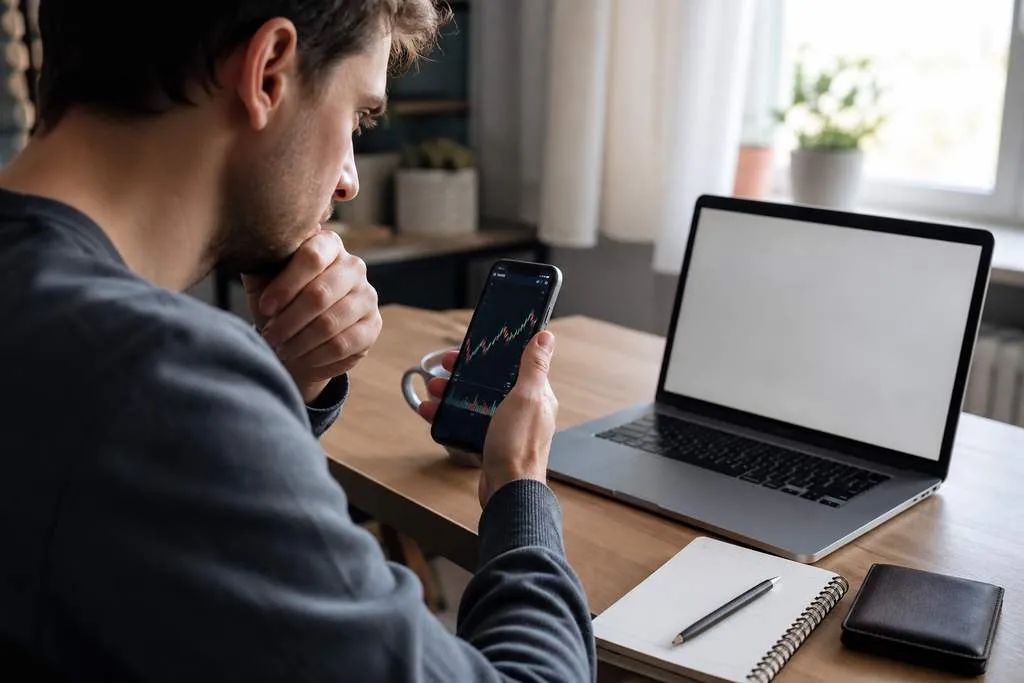
Buying crypto through Coinbase Wallet looks simple on the surface, but small mistakes can create delays, failed transactions, or assets sent to the wrong network. The wallet is built for self-custody, so the user controls the keys and also carries the responsibility for choosing the right asset, chain, and payment route.
The most common problems happen before the purchase is even confirmed. People confuse Coinbase Wallet with the Coinbase exchange, assume every token is available on every network, or approve a transaction without checking fees and destination details. A careful setup prevents most of the avoidable losses.
How do i buy crypto on Coinbase Wallet without mixing up the app and the exchange
The first mistake is treating Coinbase Wallet like a regular brokerage account. The wallet is not the same as the Coinbase exchange, and that difference matters because the wallet does not hold funds for you in the same way a centralized trading platform does. In the wallet, the user interacts with web3 payments, token swaps, and on-ramp providers through the app rather than placing a standard exchange order.
That means the purchase flow usually starts with funding or linking a payment source inside the wallet, then selecting the asset and reviewing the network before confirming. If the goal is a straightforward card or bank purchase, the app may route the buyer through a third-party provider. If the goal is to move crypto already owned elsewhere, a transfer from an exchange or another wallet may be cleaner than buying again inside the app.
One useful way to frame how do i buy crypto on coinbase wallet is as a custody decision first and a purchase decision second. The wallet is where the asset will live, so the buyer should think about who will control the keys, which chain will receive the asset, and whether the acquisition route matches the intended use.
Choosing the right asset and network before paying
Another frequent error is buying the right token on the wrong network. Many assets exist on more than one chain, and the same ticker can behave differently depending on whether it is native on one network or bridged on another. An address that works on Ethereum may not work the same way on a layer 2 or sidechain.
The safest habit is to confirm three things before paying: the exact token name, the network shown in the wallet, and the address format used for that chain. Sending an asset to a mismatched network can mean extra recovery steps or permanent loss. If the wallet offers multiple versions of the same coin, the buyer should choose the one that matches the intended activity, not just the lowest displayed fee.
Stablecoins and wrapped assets deserve extra attention because they can look familiar while carrying different transfer rules. A token that is useful inside one ecosystem may be inconvenient elsewhere if the receiving app does not support that chain. The better practice is to buy what will actually be spent, swapped, or transferred next.
Fees, slippage, and spread can make a small purchase expensive
Many first-time buyers focus on the amount they want to receive and ignore the cost of getting it there. In-wallet purchases can include a network fee, a provider fee, and a spread between the quoted price and the market price. If the trade is small, those costs can take a noticeable bite out of the total.
The most common mistake is approving a quote too quickly. A buyer should compare the estimated amount received with the amount being spent and check whether the quote expires after a short window. If the app is using a swap route rather than a direct purchase, price movement between quoting and execution can also change the outcome.
When markets are busy, gas fees can rise sharply on some networks. Waiting a little longer, choosing a cheaper chain when appropriate, or using a larger purchase size less often can reduce friction. The goal is not to chase the absolute lowest quote every time, but to avoid paying more than the asset is worth to acquire it.
Payment method choices change approval speed and failure risk
Different payment routes come with different failure points. Bank transfers may be slower but can be more reliable for larger buys. Cards may clear faster but can be declined by the issuer, especially if the purchase is treated as a cash-like transaction. Some on-ramp providers require extra identity checks before the first successful order.
Buyers often run into trouble by assuming one method will work everywhere. A card that works for everyday retail spending may still fail on a crypto purchase because the bank blocks the merchant category or because the provider has additional fraud filters. If a payment fails repeatedly, switching methods is often easier than forcing the same route.
The table below shows the usual tradeoff buyers should keep in mind.
| Method | Speed | Common friction |
|---|---|---|
| Debit or credit card | Fast | Issuer declines, higher cost |
| Bank transfer | Slower | Settlement delay, extra verification |
| Crypto transfer in | Depends on chain | Wrong network, gas fees |
| On-ramp provider | Varies | KYC, regional limits |
Approval screens and contract prompts deserve slow reading
Wallet users often make their worst mistakes at the confirmation screen. A swap or purchase prompt can include token approvals, spending limits, and destination details that are easy to miss if the buyer taps through too quickly. Once a malicious or mistaken approval is signed, the wallet may allow another contract to spend tokens without asking again.
The best defense is to read the exact asset name, the amount leaving the wallet, the amount expected to arrive, and any permission being requested. If a prompt asks for an unlimited approval when only a small amount is needed, that is a sign to stop and reassess. A reputable flow should make it clear why a contract needs access and what it can do with that access.
Some users also forget to leave enough of the chain’s native coin for gas. That can cause a purchase to succeed but leave the wallet unable to move the new asset afterward. Keeping a small gas balance avoids the common situation where the token is visible but unusable until more native coin is added.
Security habits matter more after the first purchase
Buying the asset is only part of the job. A self-custody wallet is exposed to phishing links, fake support chats, and malicious browser prompts that can drain funds later. The most expensive mistake is often not the initial buy, but the careless signing of a later transaction that looks routine.
Seed phrases should stay offline and never be typed into a website, chat window, or support form. Wallet backups should be checked before a large transfer, not after something goes wrong. If the app supports biometric locks or device-level security, those protections should be enabled so a stolen phone does not automatically become a stolen wallet.
It also helps to separate long-term holdings from active trading balances. A smaller spending wallet reduces exposure if a token approval goes wrong or a risky site is connected. The more assets that sit in one place, the more valuable that one mistake becomes.
A practical way to avoid the most common buying errors
The cleanest approach is to slow the process down at the points where people usually rush: confirm the app, confirm the network, confirm the asset, and confirm the final amount leaving the wallet. Those four checks prevent most of the avoidable losses that happen in self-custody purchases.
A good final habit is to start with a small test buy before making a larger one. That exposes payment issues, network confusion, and quote problems while the cost of a mistake is still modest. Once the first purchase clears correctly and the asset arrives on the expected chain, scaling up becomes a lot less risky.

