
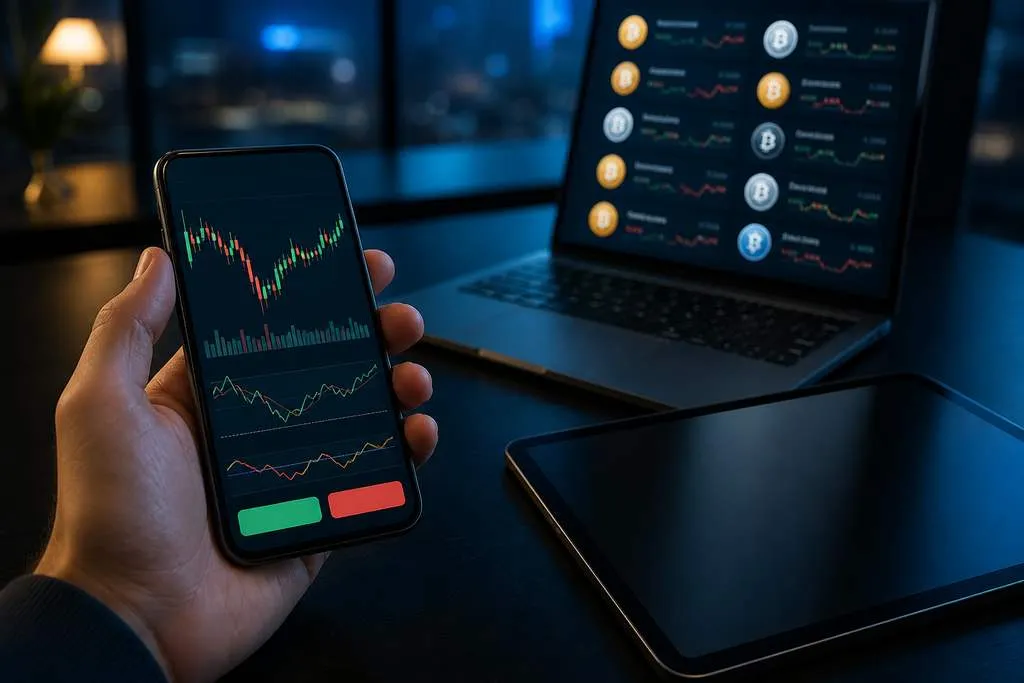
Exodus lets a buyer move from a wallet app to a funded crypto purchase without leaving the interface, but the process is not the same as holding coins in a self-custody wallet and sending them on-chain by hand. Behind the buttons, Exodus routes the purchase through third-party payment and liquidity providers, then delivers the asset to the wallet address the app controls.
That means the real answer to how do i buy crypto on exodus starts with account verification, payment rail selection, and provider pricing, not with the wallet itself minting or selling coins. The app is a front end for a transaction stack that can include card processors, bank rails, identity checks, quote engines, and blockchain transfers.
How do i buy crypto on Exodus without leaving the wallet flow
The purchase path usually begins in the app’s buy section, where the user picks an asset, enters a fiat amount, and selects a payment method offered for the region. Exodus then requests a quote from an integrated provider and shows the estimated crypto amount after spread, payment processing costs, and any network-related charges.
If the buyer accepts the quote, the provider handles the fiat side of the trade. In many cases the provider is the party that runs the card or bank transaction, performs compliance checks, and decides whether the order can proceed. Exodus provides the wallet interface and receipt flow, but it is not the bank account, card processor, or exchange order book in the classic sense.
Once the fiat payment clears, the purchased crypto is sent to the wallet address tied to the account or device. If the asset is delivered on a chain with normal transfer conditions, the buyer may still wait for blockchain confirmations before the balance becomes fully usable. The wallet then updates the local balance and transaction history.
What happens to pricing, spread, and provider fees
The displayed price is usually the most important hidden mechanism in the purchase flow. A wallet-integrated buy quote often includes a spread between the provider’s wholesale price and the retail quote shown to the user, along with separate processing costs that vary by payment method and jurisdiction.
Because the wallet is aggregating a service rather than running a single exchange book, the final amount received can differ from the market price seen on public charts. The quote is best treated as an all-in offer for convenience, not as a direct market execution.
| Layer | What it does | What the buyer sees |
|---|---|---|
| Wallet interface | Collects order details | Asset, amount, payment choice |
| Liquidity provider | Prices and fills the order | Quoted exchange rate |
| Payment processor | Moves fiat funds | Card or bank confirmation |
| Blockchain network | Settles the crypto transfer | Pending or confirmed deposit |
The key point is that a convenience buy often bundles several costs into one quote. That is useful when speed matters, but it can be more expensive than buying on a standalone exchange and withdrawing to Exodus afterward.
Why identity checks happen before the first purchase
Most wallet-based fiat purchases require the buyer to complete identity verification before the first order. This is not unique to Exodus; it is a result of the payment provider’s compliance obligations, which can include collecting personal details, verifying a government ID, and screening against sanctions or fraud controls.
In practice, the verification step can be the slowest part of the process. The wallet may be ready in seconds, but the provider may need manual review if the data does not match or if the payment method looks higher risk. The approval outcome affects only the purchase service, not the wallet’s basic ability to hold self-custodied crypto.
For readers comparing routes, the difference between a wallet buy and an exchange buy is often the point at which compliance happens. With an exchange, the account is usually built around the trading venue. With Exodus, the wallet is the home base and the purchase service is bolted on around it.
Payment methods and settlement speed inside the Exodus flow
The payment method determines both friction and timing. Card purchases tend to be the fastest to initiate, but they often face stronger fraud checks and more expensive pricing. Bank transfers and other account-based rails can be slower to confirm, yet they may fit larger or lower-cost purchases depending on the provider and region.
The sentence that matters for buyers searching for how do i buy crypto on exodus is that the app is only one part of the route; the chosen rail decides who approves the fiat leg and how quickly the crypto side can settle. A card charge can be authorized quickly while the transfer to the wallet still waits on provider processing and blockchain confirmation.
When speed is the priority, the buyer trades away some control over cost. When cost is the priority, the buyer may need to accept a slower flow, additional verification, or a separate exchange account.
How custody works after the purchase completes
After settlement, the crypto sits in the wallet under the keys controlled by the device or recovery setup, depending on how the wallet is configured. That is the main custody distinction: the provider facilitates the purchase, but the asset is meant to land in the user’s wallet rather than remain in a custodial exchange balance.
This changes the operational risk profile. A buyer no longer relies on a trading account to safeguard the asset after purchase, but the buyer does take on responsibility for device security, backup of recovery material, and careful handling of outgoing transfers. If the wallet is lost or compromised, the purchase route does not protect the funds.
That tradeoff is why some users prefer buying on an exchange first and then withdrawing, while others prefer the simpler wallet-native flow. The right choice depends on whether the priority is one-step convenience or more direct control over custody.
What can cause a failed or delayed purchase
Failures usually come from the payment side, not the blockchain side. Common causes include unsupported regions, card issuer declines, mismatched identity details, provider liquidity issues, or a network fee environment that makes the quote expire before completion.
Delayed orders often happen when the provider needs extra verification or when a bank treats the purchase as unusual activity. In other cases, the crypto has been bought successfully but the wallet is still waiting for enough chain confirmations to display it as fully settled.
There is also a practical difference between a failed authorization and a failed settlement. A card can be approved and then reversed, or a quote can expire before the asset is delivered. The user interface may treat both as a purchase problem, but the root cause sits in a different layer of the stack.
For readers following the market side of these services, coverage of product launches and payment partnerships often appears alongside broader industry moves in the markets and deals section, including articles such as how do i buy crypto on exodus when wallet providers expand their on-ramp options.
What to do before pressing buy in Exodus
The best preparation is to treat the wallet quote as the end of a chain, not the beginning. Check whether the asset is supported on the intended network, confirm the payment method accepted in the region, and compare the displayed quote against a separate market price so the spread is visible before approval.
It also helps to make sure the wallet backup is in place before any purchase lands. A successful buy is only useful if the recipient wallet can be recovered and the funds can be sent later without relying on a single device.
The practical takeaway is simple: use Exodus when the value is in convenience and direct self-custody, but understand that the buy button triggers a provider-mediated fiat purchase, not a native wallet trade. If the quote, verification flow, and payment rail look acceptable, the fastest path is to complete the purchase, wait for confirmations, and move on with the asset already in your wallet.

