
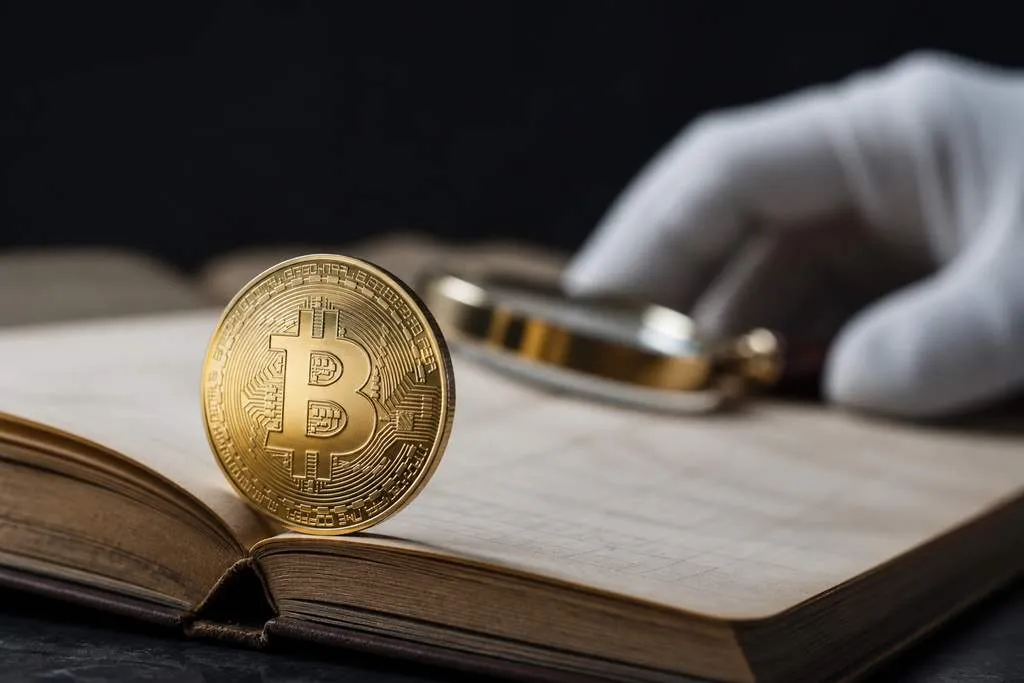
The phrase “Elon Musk crypto” does not refer to a single official coin. It usually means any cryptocurrency whose price, attention, or public identity has been shaped by Elon Musk’s comments, memes, company announcements, or social media activity. In practice, that puts a few names at the center of the discussion: Dogecoin, Bitcoin, and to a lesser extent tokens that traders try to connect to Musk without any formal relationship.
That distinction matters because many newcomers assume there is an endorsed “Musk coin” they are supposed to buy. There is no standing official Elon Musk cryptocurrency issued by Musk himself as a mainstream investment product. The real task is separating assets he has publicly discussed from opportunistic tokens that borrow his name, image, or online persona to attract speculation.
What what is elon musk crypto usually means in practice
When people search for this phrase, they are often asking one of three different things. First, they may mean “Which crypto has Elon Musk publicly supported?” Second, they may mean “Which coin moves when he posts about crypto?” Third, they may be looking for a coin literally branded around him. Those are not the same category, and confusing them leads to poor decisions.
The first category has the clearest answer: Musk has spoken positively about Dogecoin on many occasions and has also commented publicly on Bitcoin. The second category is broader because markets often react to his posts even when no formal endorsement exists. The third category is where risk rises sharply, because tokens using a celebrity theme are often unofficial, thinly traded, or outright scams.
The question what is elon musk crypto often appears because searchers are trying to map celebrity attention onto a buy decision. That is useful only if the underlying asset has real liquidity, broad exchange support, and a clear history beyond a viral headline.
Dogecoin is the closest thing to an Elon Musk crypto
If one coin is most closely associated with Musk, it is Dogecoin. He has referenced it repeatedly in posts and interviews, and that attention helped turn a meme coin into a mainstream crypto name. Dogecoin was not created by Musk, and he does not control the network, but public perception links the two more strongly than with any other major coin.
That association has practical effects. Dogecoin often sees sharp short-term moves after Musk comments on it, mentions memes tied to it, or references uses for it in commerce. Traders know that pattern, which makes Dogecoin especially sensitive to sentiment. The upside is visibility and broad recognition. The downside is that price action can become detached from fundamentals for long stretches.
Dogecoin’s role is also different from Bitcoin’s. It is generally treated by the market as a speculative and cultural asset first, with payment use and community identity supporting that image. Anyone treating it as “the Elon Musk coin” should still remember that the network exists independently of any single public figure.
Bitcoin has a real Musk connection, but for different reasons
Bitcoin is also part of the Elon Musk crypto conversation, though the link works differently. Musk has discussed Bitcoin publicly, and Tesla’s past involvement with holding Bitcoin on its balance sheet made that connection more concrete than a casual social media mention. That gave Bitcoin a corporate angle tied to Musk that Dogecoin did not have in the same way.
Even so, Bitcoin does not depend on Musk for its identity. It is far larger, more institutionally followed, and more globally integrated than any personality-driven narrative around it. When Musk comments on Bitcoin, markets may react, but the asset has many other drivers: macro conditions, ETF flows, regulation, mining economics, and long-term holder behavior.
For that reason, Bitcoin belongs in this discussion as a coin Musk has influenced at moments, not as a coin defined by him. That makes it a very different option from Dogecoin for anyone comparing exposure.
Comparing Dogecoin, Bitcoin, and unofficial Musk-themed tokens
The key comparison is not just popularity. It is whether the asset has an established network, deep liquidity, and a reason to exist apart from a celebrity narrative.
| Asset | Main Musk link | Typical market profile | Core risk |
|---|---|---|---|
| Dogecoin | Frequent public mentions | Meme-driven, widely listed | Sentiment-led volatility |
| Bitcoin | Public comments, Tesla association | Large, liquid, institutionally followed | Macro and market-cycle swings |
| Unofficial Musk-themed tokens | Name or branding only | Thin liquidity, short hype cycles | Scam or collapse risk |
For most readers, the table points to a simple conclusion: Dogecoin is the strongest cultural match for the phrase, Bitcoin is the strongest market asset ever linked to Musk, and unofficial themed tokens are usually the weakest option by a wide margin.
Why unofficial Elon-themed coins are usually the wrong answer
Whenever a celebrity becomes linked to crypto, developers and promoters rush to launch tokens that imply affiliation. These may use a name, a ticker, a meme, or a story that suggests insider relevance. In most cases, there is no official relationship at all. The token exists because attention is cheap to manufacture when a famous person is already trending.
These projects often share warning signs: limited exchange listings, concentrated token ownership, vague websites, unclear governance, and sudden bursts of social media promotion. Even when they are not outright frauds, they can be structurally fragile. A few large holders can move the price, liquidity can disappear quickly, and buyers may find that selling is much harder than buying.
This is where the phrase “Elon Musk crypto” becomes dangerous. It sounds like a category with clear membership, but bad actors use that ambiguity to insert almost any token into the conversation. If a coin’s only apparent value is that it references Musk, that is usually a sign to step back.
How to judge a coin that gets pulled into the Elon Musk crypto story
A better approach is to test the asset without relying on the celebrity angle. Start with the basic questions: Is it listed on major exchanges with meaningful volume? Does the project have a history that predates the current hype cycle? Can its purpose be explained without mentioning Musk at all? If the answer to the last question is no, the investment case is weak.
It also helps to separate price catalysts from long-term value. A post from a high-profile figure can create a fast move, but that is not the same thing as durable demand. Traders may care about timing and volatility. Longer-term holders need to care about network use, developer activity, security, and whether the asset remains relevant when the news cycle shifts.
For major coins, the Musk connection is a layer on top of an existing market. For small themed tokens, the connection is often the entire market. That difference explains why the same headline can mean very different levels of risk.
The practical takeaway on what is elon musk crypto
The most accurate short answer is this: Dogecoin is the coin most commonly seen as Elon Musk’s crypto, Bitcoin is the major asset he has also influenced publicly, and most other “Musk coins” are unofficial speculation. That framing is more useful than looking for one definitive branded token, because no such mainstream official coin exists.
The concrete takeaway is to sort any so-called Elon Musk crypto into one of three buckets before doing anything else: established coin he has mentioned, major coin he has influenced indirectly, or unofficial token using his image. Only the first two deserve serious comparison. If a token falls into the third bucket, the default assumption should be that the branding is the product.

