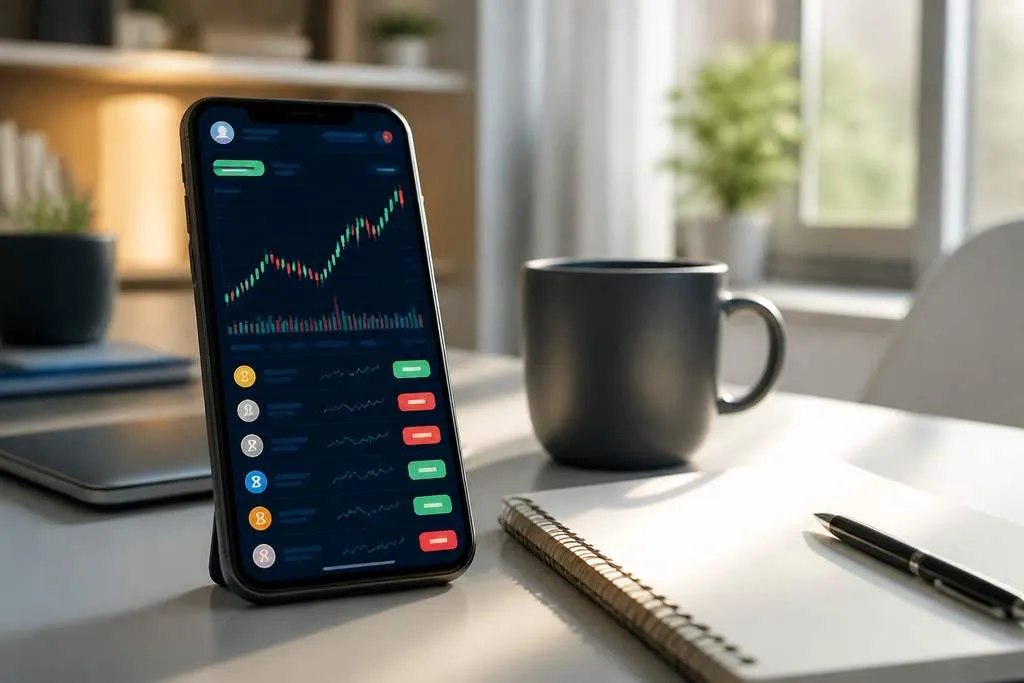
Crypto sniping is a trading tactic built around speed. A trader tries to buy a token at, or immediately after, a specific on-chain event such as a new liquidity pool appearing, trading being enabled, or a token contract becoming active. The aim is to enter before wider market attention pushes the price higher, then sell according to a predefined plan.
The opportunity can be real, but so are the risks. Newly launched tokens often have thin liquidity, incomplete information, aggressive automated competition, and smart-contract hazards. A practical understanding of the transaction flow matters more than simply finding a bot or copying a wallet address.
What is sniping crypto in on-chain trading?
When people ask what is sniping crypto, they usually mean attempting to purchase a newly tradable token through a decentralized exchange before ordinary manual traders can react. On an automated market maker such as Uniswap or PancakeSwap, a token can become tradable when its creator adds it and a paired asset, often ETH, WETH, BNB, or a stablecoin, to a liquidity pool.
A sniper monitors contracts, liquidity events, launch announcements, or blockchain mempool activity. Once a chosen condition is met, software constructs and broadcasts a swap transaction. That transaction competes for inclusion in a block alongside transactions from other buyers. The first available trade is not guaranteed to be the best trade: execution depends on gas settings, network congestion, the bot’s configuration, and the pool’s actual rules.
This differs from simply buying a small-cap token after seeing it on a chart. Sniping focuses on the narrow period around the launch or activation event, when price discovery is abrupt and information is sparse.
The transaction sequence behind a token snipe
A typical attempt begins well before any purchase. The trader identifies the chain, wallet, decentralized exchange router, expected token contract, and token pair. Funding must already be in a self-custody wallet, with enough native-chain currency reserved for network fees. A wallet holding ETH cannot directly pay gas on BNB Chain, and assets on one network cannot be used on another without the relevant bridge or transfer process.
Next, the trader defines the trigger. It may be confirmed liquidity, a contract call that enables transfers, a verified launch time, or a project-specific signal. The bot or manual trading interface then submits a swap through the exchange router. The swap exchanges the input asset for the target token according to the pool’s current reserves.
Before signing, the transaction normally includes a minimum amount of tokens to receive. This reflects slippage tolerance, which is the allowable difference between the expected price and the executed price. A higher tolerance can help a transaction complete in a fast-moving pool, but it can also permit a much worse entry price. The process is covered more broadly in this what is sniping crypto reference material, including the concepts that affect decentralized exchange execution.
After confirmation, the work is not finished. The trader must verify the received balance, determine whether the token can be sold, watch liquidity and holder activity, and execute the exit transaction. A purchase that succeeds on-chain can still be economically unsuccessful or impossible to unwind.
Launch signals and their practical limitations
Liquidity creation is a common signal because a pool without reserves cannot support a normal swap. However, the existence of liquidity does not establish that a token is legitimate, liquid enough for a meaningful exit, or free from restrictive transfer logic. A creator can add a small amount of liquidity, retain strong control over the project, or later remove liquidity if it is not locked or otherwise protected.
Some traders watch pending transactions in the public mempool to react before liquidity is confirmed. This approach is technically demanding and exposes the trader to transaction-ordering competition. Other traders wait for the first completed trades, accepting a later entry in exchange for evidence that the pool is functioning. Neither choice removes token-specific risk.
Contract verification and source-code review can improve visibility, but they are not a guarantee. Unverified contracts are harder to inspect. Verified contracts can still contain owner privileges, trading gates, unusual transfer taxes, blacklist functions, or upgrade mechanisms that change the risk profile. A trader should also verify the contract address independently; token names and ticker symbols are easy to imitate.
Manual entries, alert tools, and automated bots
The available approaches differ mainly in speed, control, and operational complexity. This comparison helps set realistic expectations: higher automation can reduce reaction time, but it does not make an unsafe token safe.
| Approach | Speed | Main limitation |
|---|---|---|
| Manual swap | Slowest | Late execution during launches |
| Alerts plus manual swap | Moderate | Requires rapid confirmation |
| Configured trading bot | Fast | Configuration and contract risk |
| Mempool-based automation | Very fast | Advanced competition and fees |
Manual buying offers the clearest review point because the trader can inspect the token and swap details before submission. It is rarely competitive for heavily watched launches. Alert systems can reduce monitoring time while retaining a human approval step, though a delayed decision may mean buying after the initial move.
Automated bots can submit transactions instantly when their conditions match. They also introduce additional attack surface. A bot service that asks for a seed phrase or unrestricted wallet access should be treated as unsafe. A more cautious setup uses a separate wallet funded only with an amount allocated to the strategy, reviews permissions, and avoids granting broad token approvals when a limited approval is available.
Risks that can turn a successful buy into a loss
The most serious sniping risk is buying a token that cannot be sold under normal conditions. A honeypot-like contract may allow purchases while blocking sales, or it may impose taxes and limits that make exits impractical. Simulating a small sale through a reputable transaction simulator or carefully reviewing contract behavior can reveal some issues, but simulation results depend on current state and are not a promise of future execution.
Price impact is another frequent problem. In a shallow pool, a purchase changes the reserve ratio and can move the token price sharply. When the trader later sells, the same mechanism can produce a much lower realized price. Large advertised portfolio gains may therefore be impossible to realize at the quoted price.
- Set a maximum amount per launch before trading begins.
- Keep separate funds for transaction fees and avoid using all available balance as swap input.
- Check the exact contract address, chain, liquidity pair, and token permissions.
- Use a defined invalidation point rather than averaging into an unknown launch.
- Record transaction hashes, costs, and proceeds for later tax reporting.
Network fees can also distort results. Raising the priority fee may increase the chance of prompt inclusion, but it can turn small trades uneconomic. Failed or reverted transactions may still consume gas, depending on how far execution proceeds.
A disciplined first sniping workflow
For a first attempt, the concrete goal should be testing the workflow rather than chasing a large launch. Choose one established chain and decentralized exchange, create a dedicated wallet, and fund it with an amount that can be fully lost plus a separate fee reserve. Use a token with an identifiable contract address and a small test transaction where possible.
Before entering, write down four decisions: the maximum purchase amount, the acceptable slippage setting, the condition that cancels the trade, and the exit rule. Confirm that the token has active liquidity and that a small sale is technically possible before committing more capital. After the transaction, compare the expected output, actual received amount, fees, and eventual sale proceeds. That record exposes whether a strategy has an execution edge or merely produces costly, high-risk activity.