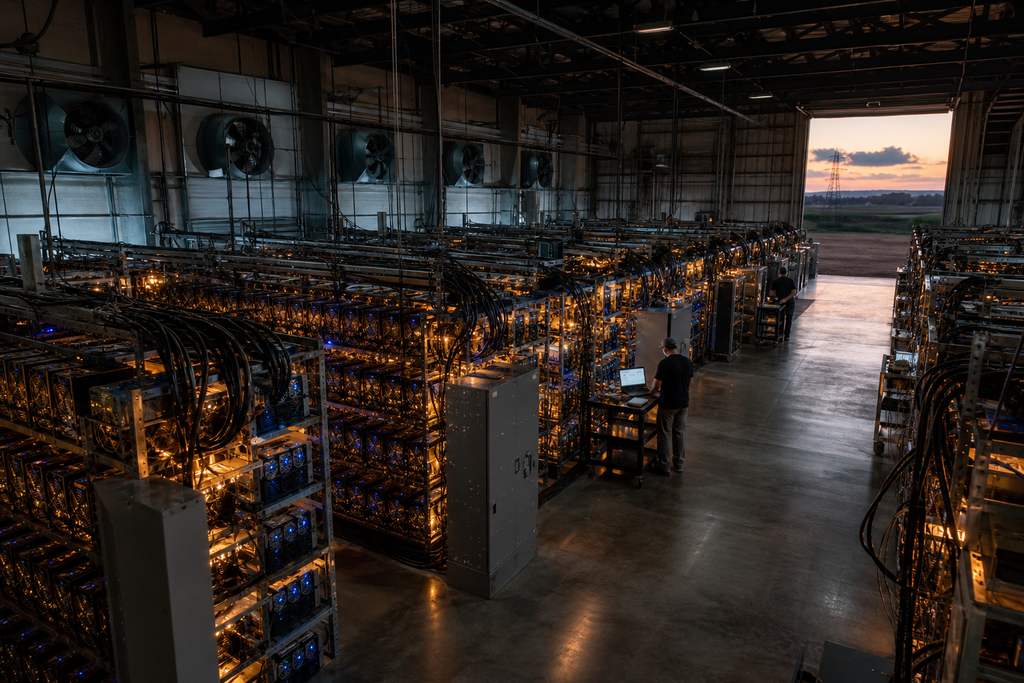
Bitcoin ended easy home mining years ago. Its network runs on specialized machines filling warehouses, and a household computer contributes so little that the electricity costs more than the rewards. The practical version of the question, then, is which coins were designed so that ordinary hardware still matters. Monero answers that for central processors, and coins like Ravencoin and Ethereum Classic answer it for graphics cards.
Easy to start and safe to start are separate questions, and a cautious beginner needs both answered. The sections below name the coins that genuinely run on home equipment, explain why easy mining rarely means profitable mining, and cover the scams, setup mistakes, and record-keeping habits that decide whether a first attempt is harmless or expensive.
What is the easiest crypto coin to mine on everyday hardware
Monero leads because of a deliberate design choice. Its RandomX algorithm was built to run efficiently on the ordinary processors found in any desktop and to resist the specialized chips that took over Bitcoin. An open-source program called XMRig connects a standard computer to the network, and no graphics card or special equipment is required. For someone with a working PC and nothing else, this is the coin that actually works.
GPU owners have real options too. Ravencoin runs KAWPOW, an algorithm written to favor graphics cards and shut out ASICs, and Ethereum Classic kept GPU mining alive after Ethereum switched to staking in 2022. That switch reshaped the field: the cards that once mined Ethereum moved to these networks, so competition is far heavier than it used to be. Dogecoin is the famous exception, since it can only be mined with Scrypt machines built for Litecoin, usually in merged-mining setups a home computer cannot join.
The table sums up where each realistic option stands for a beginner working from home.
| Coin | Hardware you need | Why beginners find it approachable | Main caveat |
|---|---|---|---|
| Monero | Any desktop CPU | RandomX was built for ordinary processors; open-source mining software | Several major exchanges delisted it, so cashing out is less direct |
| Ravencoin | A graphics card | KAWPOW resists ASICs, so home GPUs still compete | GPU power draw adds up quickly on a home bill |
| Ethereum Classic | A graphics card | Same GPU hardware former Ethereum miners already own | Crowded since Ethereum’s 2022 staking switch |
| Dogecoin | Scrypt ASIC machines | Merged mining with Litecoin lets one machine earn both coins | Out of reach for home computers entirely |
The Monero caveat deserves emphasis. Because the coin hides transaction details by design, several large exchanges have delisted it under regulatory pressure, so converting rewards into spendable money is less direct than for other coins. Hobbyists usually accept this; anyone wanting a frictionless exit should weigh it first.
Why easy to mine rarely means profitable to mine
Every established coin adjusts its difficulty automatically. The network watches how fast blocks arrive and recalibrates the puzzle so the schedule holds, which means every new miner makes the puzzle harder for everyone else. A beginner who earns a given amount this month can earn less next month with identical hardware and unchanged settings, and no trick changes that.
The economics compound it. Electricity is billed in ordinary money at a fixed rate while income arrives in a volatile coin, and household rates erase the margin on all but the most efficient setups. Laptops carry a second cost: their cooling was never built for round-the-clock full load, so sustained mining shortens their working life. A plug-in power meter turns the whole question into a measurement — watts drawn, hours run, and your rate per kilowatt-hour set the true price of every coin received.
How scams hunt people searching for an easy coin
Cloud mining contracts are the largest category. You pay upfront for a share of someone else’s machines; legitimate hosted-mining companies exist, but a large share of advertised contracts are schemes that pay old customers with new deposits, and even honest ones often underperform once maintenance fees and rising difficulty eat the margin.
Most beginners arrive by searching what is the easiest crypto coin to mine, and the pages that rank first are usually affiliate reviews earning commissions from those same cloud-mining referrals, which is one reason the plain answers collected in our crypto FAQ avoid sponsored framing entirely. The same skepticism applies to phone apps promising free mining — a phone’s processor is far too weak for this, so such apps monetize users through advertising and data. Cracked or “free” miner downloads sold outside official repositories are a classic delivery vehicle for malware that watches clipboards or steals wallet files.
Four signals cover most bad offers:
- Guaranteed daily returns, which no mineable coin produces
- Withdrawals blocked until an “activation” or “unlock” fee is paid
- Bonuses for recruiting other miners, a hallmark of pyramid structures
- Software offered only through chat channels instead of the project’s official site or code repository
One rule covers most of this territory: legitimate mining software never needs your keys. A miner identifies itself with a public wallet address, so any program or service asking for a seed phrase or private key is stealing.
Setting up a first miner without hidden risk
Start with the wallet, downloaded only from the official project website or its verified repository, and write the recovery phrase on paper rather than storing it on any device. Install the miner the same way; XMRig publishes checksums so you can confirm the file was not altered. Point the miner at an established pool using your wallet address as the account identifier, and the pool credits your share of each block it wins.
Pools exist because solo mining is a lottery: they combine hashrate from thousands of participants and split rewards in proportion to work contributed. Check a pool’s fee and minimum payout threshold before committing, and withdraw to your own wallet rather than letting balances accumulate. Monero users who want no custodian at all can look at P2Pool, a decentralized pool that pays straight to your wallet at the cost of running a full node.
Physical setup matters as much as software. A desktop with clear airflow and clean dust filters tolerates continuous load far better than a laptop; if a laptop is the only option, limit sessions and watch temperatures. Keep a log from day one — dates, amounts, and the coin’s value when received. In many jurisdictions mined coins count as income at receipt and selling them later is a separate taxable event, so those records serve both tax reporting and your own profit math. Local rules differ, so check them before the first payout arrives.
A concrete first month for a cautious beginner
- Mine on hardware you already own. Do not buy anything until a test run proves the numbers work.
- Install the official Monero wallet, then XMRig from its official repository, and connect to a reputable pool or P2Pool using only your public wallet address.
- Run the miner for one to two weeks with a plug-in power meter on the computer, logging payouts and electricity used.
- Compare the cost of the kilowatt-hours consumed against the value of coins received, then continue or stop based on that measurement.
That comparison is the whole game. A first month that costs a few dollars of electricity and pays out less is still a success if it taught you how wallets, pools, and difficulty behave, with no scam exposure along the way. Every serious failure mode involves spending money ahead of knowledge — hardware bought on credit, contracts paid upfront, fees wired to release earnings that never existed. Mining on your own machine, into your own wallet, at a measured cost keeps those traps closed.