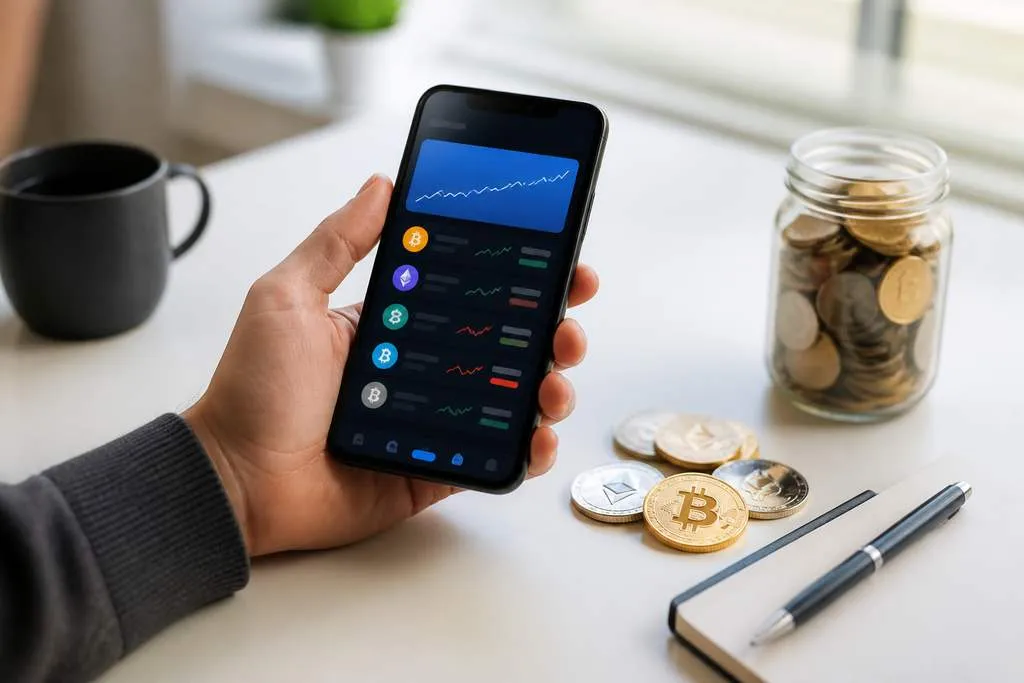

Crypto markets do not follow the opening bell and closing bell pattern used by stock exchanges. Bitcoin, Ethereum, stablecoins, and most other digital assets trade around the clock on centralized exchanges, decentralized exchanges, broker apps, and over-the-counter desks. That constant availability is one of crypto’s defining features, but it also creates confusion because “time for trading” can mean market hours, the best time to place an order, the time needed for a deposit to arrive, or the time it takes for a trade to settle onchain.
A practical answer starts by separating those moving parts. The market itself is usually open 24/7, but access depends on the platform, the payment method, local banking rails, maintenance windows, and the blockchain network used for deposits or withdrawals. Someone trying to buy quickly with a debit card faces a different timeline from someone wiring money to an exchange and then moving coins to a hardware wallet. Understanding those steps matters more than memorizing a single “best hour.”
What is the time for crypto trading on most platforms
On most major crypto exchanges, spot trading is available 24 hours a day, seven days a week, including weekends and public holidays. If an order book is live and the platform is operating normally, buy and sell orders can be matched at any time. That is the baseline rule for crypto trading.
There are two important exceptions. First, the platform itself can pause trading in a token during maintenance, wallet upgrades, or unusual volatility. Second, even when trading stays open, funding methods may not. A bank transfer can be delayed by weekends, bank cut-off times, compliance reviews, or regional payment rails. In other words, the market may be open while the path into the market is temporarily slower.
Derivatives, margin products, and region-specific services can also have separate restrictions. Some exchanges keep spot markets live while temporarily limiting leverage changes, liquidations, or new futures positions during system events. The practical lesson is simple: check the trading page, the deposit page, and the status page separately rather than assuming one answer covers all three.
How to work out the real trading timeline step by step
The fastest way to judge timing is to map the full path from cash to crypto. Step one is account readiness. If identity verification is unfinished, the true “time for trading” starts with KYC review rather than with the order screen. Some users can verify quickly, while others are flagged for manual checks because of document quality, address mismatches, or jurisdiction rules.
Step two is funding. Card purchases can be near-instant on some services, but they often carry higher fees and may trigger issuer declines. Bank transfers usually cost less, yet they can take longer depending on the payment network. Crypto deposits from another wallet depend on the blockchain used, network congestion, and the number of confirmations required by the receiving platform.
Step three is order execution. A market order usually fills immediately if the asset has strong liquidity, but the final price can move between the time the order is submitted and the time it is matched. A limit order may take longer or remain unfilled if the market never reaches the selected price. This is why timing in crypto is not only about hours of operation; it is also about the order type chosen.
Step four is post-trade access. Buying an asset on an exchange does not always mean it can be withdrawn instantly. Some platforms apply temporary holds after card purchases or after a fresh fiat deposit. Readers searching what is the time for crypto trading are often really trying to estimate this full sequence, not just the moment an order can be clicked.
When different funding methods change the answer
The clearest way to understand timing is to compare how funding methods affect speed and flexibility.
| Method | Typical speed to trade | Main constraint |
|---|---|---|
| Debit or credit card | Often near-instant | Higher fees, issuer declines |
| Bank transfer | Same day to several days | Bank hours, cut-off times |
| Crypto deposit | After network confirmations | Chain congestion, wrong network risk |
| Internal platform balance | Immediate | Prior funds already required |
This comparison shows why two people using the same exchange can get very different results. One user can trade within minutes using a stored card, while another waits for a transfer to clear. The platform is not the whole story; the payment rail often decides the clock.
Best times to place an order versus times when trading is merely open
Because crypto trades continuously, the better question is often not “when is it open” but “when is execution likely to be cleaner.” Large assets such as bitcoin and ether usually have deeper liquidity than smaller tokens, and liquid markets tend to produce tighter spreads. Tighter spreads matter because the gap between the buy price and sell price is part of the cost of entering a trade.
Activity often rises when major regions overlap in waking hours and when traders are reacting to macroeconomic news, regulatory announcements, or exchange-specific events. Higher activity can improve liquidity, but it can also increase short-term volatility. That means a market order may fill quickly while still producing a less favorable price than expected. For less liquid tokens, off-peak periods can widen spreads sharply.
A practical approach is to check three items before trading: spread, order book depth, and recent price movement. If the spread is wide and the chart shows fast swings, a limit order may be safer than a market order. If the spread is narrow and the asset is heavily traded, immediate execution may matter more than price precision. The best time is therefore situational, shaped by liquidity and urgency rather than by exchange opening hours.
Why withdrawals and settlement can take longer than the trade itself
Many newcomers think the trading step is the whole process, but the slowest part can come after the purchase. On centralized exchanges, the trade is recorded internally right away, yet an external withdrawal must still pass the exchange’s security and blockchain procedures. Some platforms batch withdrawals, pause specific networks, or require extra checks for new addresses.
Onchain settlement adds another layer. A withdrawal sent on Bitcoin, Ethereum, or another network depends on network conditions and transaction fees. During busy periods, confirmation times can stretch, and exchanges may wait for multiple confirmations before crediting a deposit. Stablecoins add another variable because the same asset name may exist on different networks, each with different speed and fee patterns.
This is why traders should distinguish between execution time and usable finality. A trade can happen instantly on the exchange screen while the funds remain practically unavailable for transfer for a longer period. For anyone moving assets between platforms, that distinction is central.
A concrete way to decide the right time to trade
Start with the end goal and work backward. If the goal is immediate exposure to a major coin, use a pre-verified account, keep funds already on the platform or use the fastest funding method available, and check the spread before submitting the order. If the goal is lower cost, allow more time for a bank transfer and use a limit order in a liquid market.
If the asset must be withdrawn the same day, confirm withdrawal availability before buying, verify the destination network, and avoid making the purchase just before a known banking cut-off or during a platform maintenance notice. For small-cap tokens, check liquidity first because a market that is technically open can still be expensive to enter.
The most useful takeaway is this: treat crypto trading time as a chain of steps, not a single clock. Market access is usually 24/7, but the right moment depends on account readiness, funding speed, liquidity, order type, and withdrawal needs. When those five checks are done in advance, the “time for trading” becomes a controllable process instead of a guess.