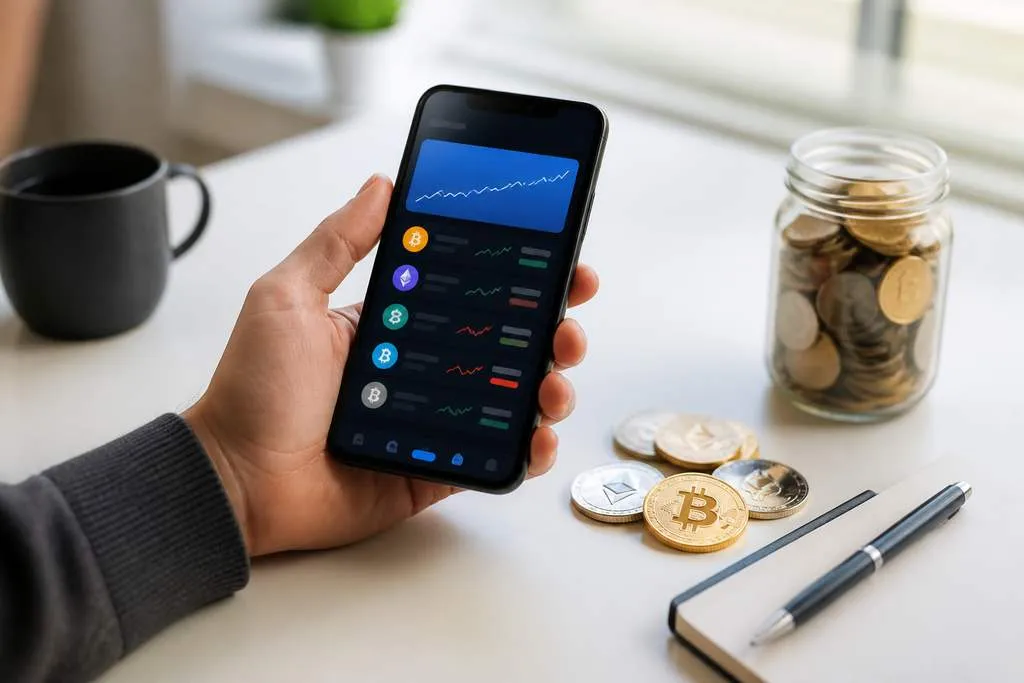

TVK is the token long associated with Terra Virtua, a project built around digital collectibles, fan experiences, and metaverse-style ownership. People often hear the ticker, see old exchange listings, or notice references to Terra Virtua in NFT discussions, then assume TVK is just another generic metaverse coin. That shortcut misses what the token was actually designed to do and why its role has changed over time.
The biggest confusion comes from mixing three different things into one label: the company or platform, the token, and the market story around NFTs. A token can be tied to a real product without its price reflecting product quality, and a product can keep evolving even when the token narrative shifts. Understanding TVK starts with separating utility, branding, and speculation instead of treating them as the same object.
What is TVK crypto in practical terms
In practical terms, TVK refers to the native token historically used in the Terra Virtua ecosystem. Terra Virtua focused on licensed digital collectibles, virtual display spaces, and community features that aimed to make ownership feel more like collecting than simple token trading. The token was generally positioned as an ecosystem asset that could support purchases, rewards, staking-style incentives, and platform participation, depending on the product phase.
That means TVK was not created as a base-layer blockchain like Bitcoin or Ethereum. It also was not a stablecoin, privacy coin, or pure payment coin. It sat closer to the category of platform tokens: assets connected to a specific business model, where value depends heavily on whether the platform keeps attracting users, partners, and activity.
Another point people get wrong is assuming the ticker alone explains the project. In crypto, tickers are shorthand, not full descriptions. TVK tells a trader what to search on an exchange, but it does not explain token supply mechanics, utility changes, governance rights, or whether the ecosystem still uses the token in the same way it once did.
The myth that TVK is just an NFT hype token
TVK became widely noticed during periods when NFTs and metaverse projects were receiving outsized attention. Because of that timing, many people filed it away as a token that existed only to ride a trend. That reading is too simple. Terra Virtua tried to build a consumer-facing environment around collectibles, including display, interaction, and licensed content, which is broader than merely minting random tokens.
Still, the opposite myth is also wrong. A token tied to a branded collectible platform is not automatically protected from NFT market cycles. If interest in digital collectibles falls, platform activity can slow, partnerships can matter less, and token demand can weaken. TVK therefore sits in a middle ground: more specific than a pure meme trade, but still exposed to the same sentiment swings that affect entertainment-driven crypto products.
That distinction matters for anyone researching old listings or legacy portfolios. The question what is tvk crypto often comes from investors trying to work out whether they are looking at a utility token with a business behind it or a narrative asset that moved with a trend. The honest answer is that it has elements of both, and the balance depends on the platform’s current execution rather than on the original pitch alone.
How TVK differs from a blockchain coin, a governance token, and a game token
The easiest way to clear up confusion is to compare TVK with token types people already know. The table below shows the main distinction: TVK has historically been tied to ecosystem use inside a specific digital collectible platform rather than to broad network security or purely on-chain governance.
| Asset type | Main purpose | What usually drives demand |
|---|---|---|
| TVK | Platform utility | Product use, partnerships, market sentiment |
| Blockchain coin | Network fees, settlement | Chain adoption, validator or miner activity |
| Governance token | Voting rights | Treasury control, protocol influence |
| Game token | In-game economy | Player activity, sinks, rewards balance |
This is why broad statements like “TVK should trade like Ethereum” or “TVK should behave like a DAO token” usually miss the mark. Its economics are more dependent on the success of a branded ecosystem and the credibility of its use cases than on raw blockchain throughput or governance power.
What people misunderstand about utility and value
One common mistake is treating token utility as if it guarantees token value. Utility can support demand, but only if people actually want the product and if the token remains central to using it. Many projects launch with discounts, staking perks, access rights, or marketplace functions, yet later reduce the token’s role when customers prefer paying with familiar assets or fiat. When that happens, the product may continue while the token thesis weakens.
That is especially relevant for entertainment and collectible platforms. Users who want a licensed digital item may care more about the brand, the franchise, and the checkout process than about the token behind the scenes. If a platform has to simplify onboarding, it may lean toward payment methods that reduce friction. In those cases, utility exists on paper but does not always translate into strong organic token demand.
A second misunderstanding is assuming every ecosystem token gives meaningful governance rights. Some do; many do not, or only do so in a limited way. Before assigning value to TVK based on governance narratives, it is necessary to verify whether holders actually control treasury decisions, protocol parameters, or platform direction. If the token mainly unlocks benefits or rewards, it should be evaluated as a utility asset, not as a governance asset.
Why ticker changes, rebrands, and legacy listings create confusion
Crypto projects often evolve faster than the information around them. Exchange pages, old forum posts, portfolio trackers, and social media threads can preserve outdated descriptions long after a project changes structure, branding, or token mechanics. That creates a common problem with TVK: people find historical material and assume it still describes the current state of the ecosystem.
Rebrands are especially messy because they can involve new names, updated token roles, migrations, or altered positioning. A project that began life centered on NFTs may later emphasize gaming, fan engagement, or broader digital commerce. If research stops at the ticker, it is easy to miss whether the token remains active in the same form, whether the platform has shifted direction, or whether the market still prices it on old assumptions.
For that reason, the right way to assess TVK is not to rely on a single exchange summary. Check the current project documentation, token contract references, official announcements, and whether the token still appears in live product flows. If those pieces do not line up, the market may be trading a legacy story more than a present business model.
How to evaluate TVK without repeating the usual mistakes
A useful evaluation starts with four checks. First, identify the token’s current role rather than its original role. Second, look for real user activity on the associated platform, not just social posts about the ticker. Third, separate collectible demand from token demand, because a healthy marketplace does not always make the token indispensable. Fourth, confirm whether any staking, access, or reward feature still exists and whether it creates durable demand instead of short-lived speculation.
It also helps to judge TVK by the risks specific to niche ecosystem tokens. Liquidity can be thinner than in large-cap assets. Narratives can change quickly when NFT markets cool. Licensing and entertainment partnerships can create attention but may not create recurring token use. None of those points make the token invalid; they simply mean the right benchmark is adoption quality, not category hype.
The concrete takeaway is simple: treat TVK as a project-linked utility token whose meaning depends on the current Terra Virtua ecosystem, not on old NFT-era headlines. Before buying, verify present token use, present product activity, and present documentation. If those three are unclear, the safest reading is that the ticker is easier to find than the investment case.